Applications of Vulcanizing Machines in Conveyor Belt Production
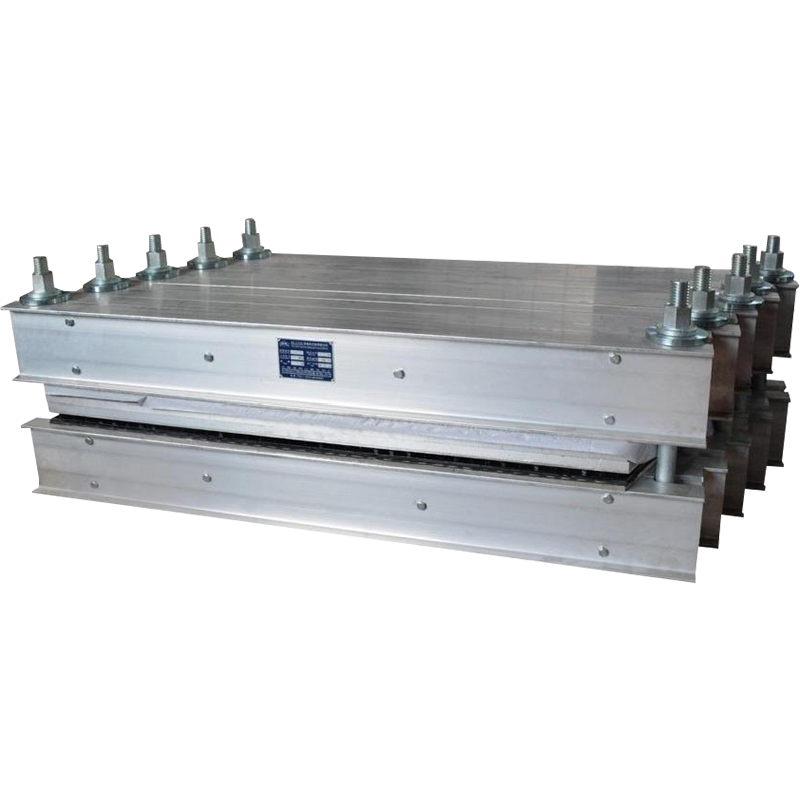
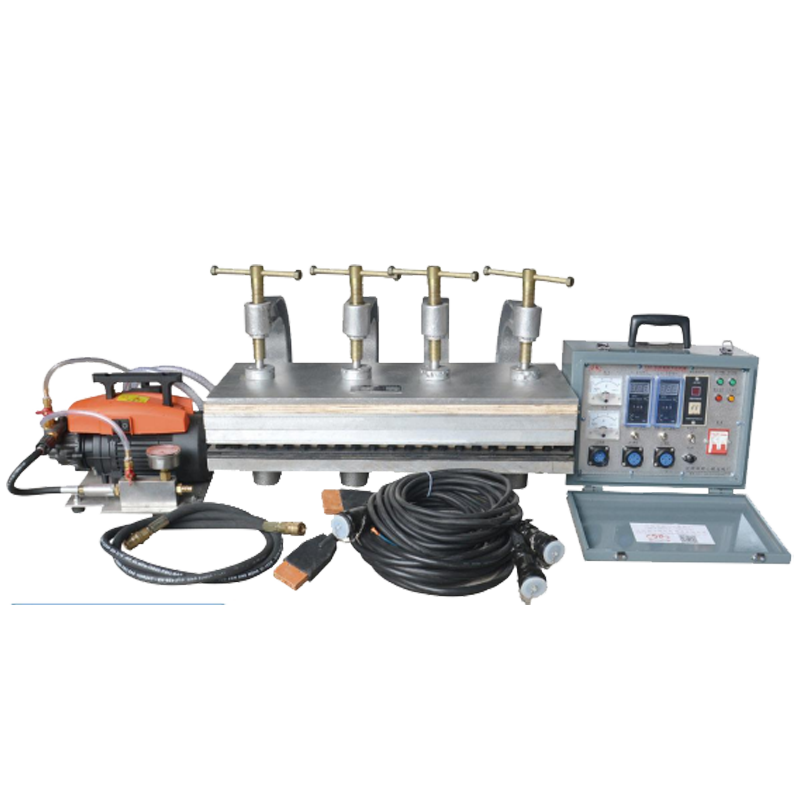
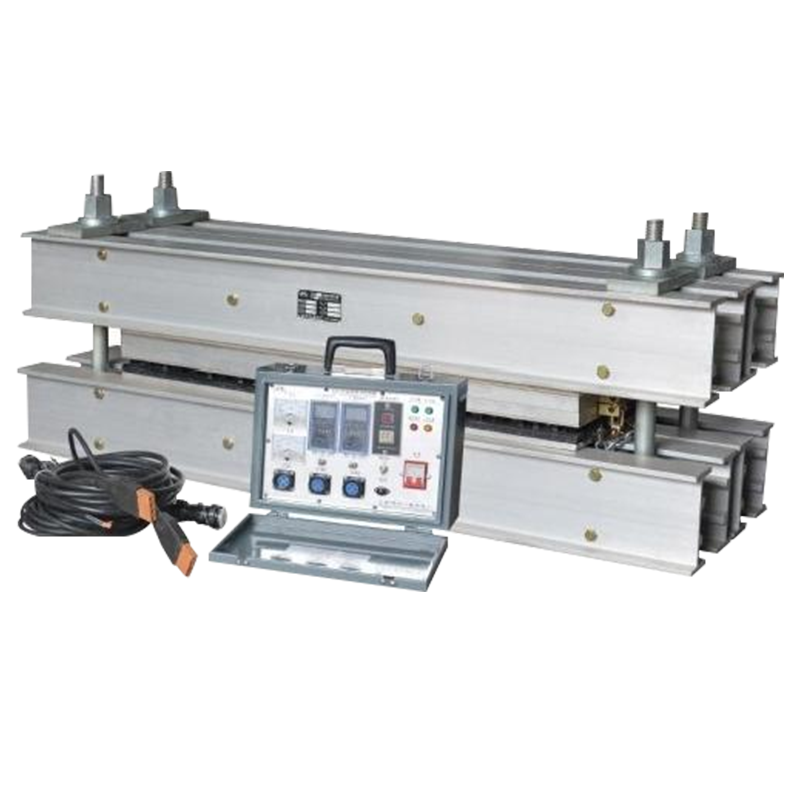
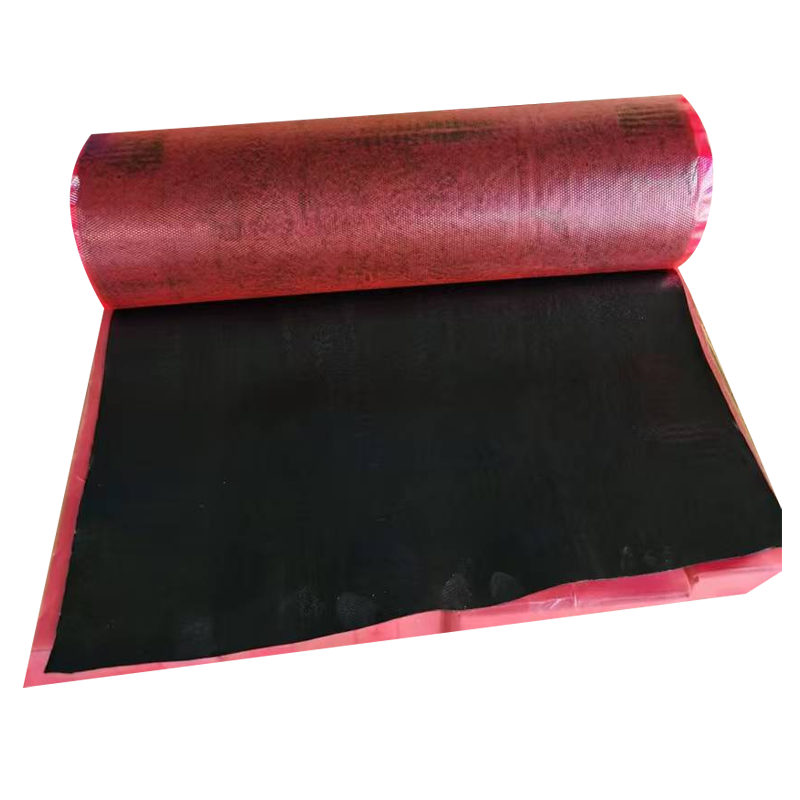
Conveyor belt production is a multifaceted process that requires precise engineering and high-quality materials. Conveyor belts are made up of several layers of rubber, fabric, and other compounds that provide flexibility, strength, and resistance to wear. The first step in the process is mixing the raw materials, including synthetic and natural rubber, carbon black, and plasticizers. The correct formulation is critical, as different compounds are suited for specific applications—such as belts for high-temperature environments or belts used in food processing, where hygiene is a concern. Once the rubber compound is ready, it is shaped into a belt by extrusion or calendering. The belt is then ready for the vulcanization process. This step is essential for improving the belt’s performance properties, such as its elasticity, wear resistance, and durability. Without proper vulcanization, the conveyor belt would be too soft and prone to failure under pressure. The vulcanizing machine is integral here, applying heat and pressure to the belt, transforming the rubber into a stronger, more durable material that can withstand the demanding conditions of industrial applications. Jiangyin Tongxin Vulcanizer Factory’s advanced vulcanizing machines, such as the DGLJL electric heating and DJSL water-cooled models, are specifically designed to ensure a high-quality vulcanization process that optimizes the performance of conveyor belts.
Vulcanizing machines are the heart of the conveyor belt production process. These machines provide the precise heat and pressure needed to chemically bond the rubber molecules, forming cross-links between them. This is where the physical properties of the rubber change, enhancing its strength, elasticity, and heat resistance. The vulcanization process can vary depending on the type of rubber being used and the specific requirements of the application. For example, when manufacturing heavy-duty conveyor belts used in mining, the rubber must be highly resistant to abrasion and impact. In these cases, a vulcanizing machine needs to operate at a higher pressure and temperature to ensure that the belt is adequately cured. On the other hand, belts used in food processing applications must meet stringent health and safety regulations, which might require the vulcanizing machine to operate with more precise temperature controls to avoid contamination. Jiangyin Tongxin Vulcanizer Factory's vulcanizing equipment is engineered to handle a wide range of materials and production conditions. With customizable settings for both temperature and pressure, we ensure that our machines are adaptable to the diverse needs of conveyor belt production. Our machines are equipped with advanced features like automated control systems, which provide operators with real-time data, ensuring consistent results throughout the vulcanization cycle.
Not all conveyor belts are created equal, and the vulcanizing machine must be customized to meet the specific requirements of each type of belt. For instance, belts used in extreme environments, such as those in the mining and steel industries, require vulcanization at higher temperatures and pressures to withstand the intense heat and physical wear. Conversely, belts used in more controlled environments, like food processing or packaging, need more precise vulcanization cycles to ensure the rubber remains food-safe and non-contaminated. Customizing the vulcanizing machine involves several key factors, including the size of the belt, the type of rubber compound, and the required curing time. For example, longer belts may need larger vulcanizing chambers to ensure even heat distribution across the entire length of the belt. Similarly, belts that need to maintain high flexibility may require lower temperatures and slower curing times to prevent over-cross-linking of the rubber, which could make the belt too stiff for effective use. At Jiangyin Tongxin Vulcanizer Factory, we offer tailored solutions for vulcanizing machines that can be adapted for specific belt sizes and rubber types. Whether we are dealing with large-scale production lines or smaller batches of specialty belts, our machines are designed to provide optimal performance, ensuring a high-quality end product every time.
The vulcanization process has undergone significant changes with the advent of new technologies. One major advancement is the integration of computerized control systems into vulcanizing machines. These systems allow for more precise control over the temperature, pressure, and curing time, improving both the quality and consistency of the finished conveyor belts. With automated systems, manufacturers can program different vulcanization parameters for various types of rubber and belt specifications, leading to enhanced efficiency and reduced human error. Modern vulcanizing machines now include features such as energy-saving heating elements, which reduce power consumption during the vulcanization process. This is particularly important in large-scale production facilities, where energy costs can be a significant factor in overall manufacturing expenses. Newer models feature water-cooling systems that speed up the cooling process once the vulcanization is complete, allowing for faster production turnaround times. Jiangyin Tongxin Vulcanizer Factory is committed to adopting the latest technological advancements in vulcanizing machines. Our equipment is designed with energy efficiency in mind, and we incorporate state-of-the-art control systems that allow us to fine-tune the vulcanization process to ensure the highest quality and performance for every conveyor belt.
Quality control is an essential part of conveyor belt manufacturing, particularly when it comes to the vulcanization process. Any inconsistency in temperature, pressure, or curing time can result in defects such as weak spots or uneven curing, which can compromise the performance and lifespan of the conveyor belt. Therefore, maintaining a tight control over the vulcanizing machine operation is crucial to ensuring a consistently high-quality product. Vulcanizing machines equipped with automated monitoring systems can track real-time data such as temperature, pressure, and curing time throughout the process. These systems allow operators to make adjustments as needed, ensuring that each conveyor belt is cured to the exact specifications required for its intended use. Regular inspections of the vulcanizing machine itself, including the heating elements, pressure mechanisms, and cooling systems, are also necessary to ensure that the equipment is functioning correctly and is not contributing to potential defects in the final product. At Jiangyin Tongxin Vulcanizer Factory, we integrate comprehensive quality assurance systems into our machines. These systems not only monitor the vulcanization process but also allow for real-time adjustments, ensuring that we can maintain the highest standards of quality control for every conveyor belt produced.
Conveyor belts have a broad range of applications across industries, and vulcanizing machines play a key role in ensuring that these belts meet the demands of each specific sector. For example, in the mining industry, conveyor belts need to be resistant to high-impact forces, abrasive materials, and extreme temperatures. Vulcanized rubber belts are essential in this environment as they can withstand the harsh conditions typical of mining operations, ensuring reliable material transport without premature wear. In the food processing industry, conveyor belts must meet strict hygiene standards. These belts are used to transport food products through various stages of production, such as washing, packaging, or cooking. Vulcanizing machines used in this industry must ensure that the rubber is cured at the correct temperature and pressure to maintain the quality of the food products and prevent contamination. Similarly, in the chemical and pharmaceutical industries, conveyor belts must be resistant to chemicals, oils, and other corrosive materials. The rubber compounds used in these belts must be tailored to resist such exposure while maintaining flexibility and strength. Vulcanizing machines that can be customized to meet these specific requirements are invaluable to these industries, and Jiangyin Tongxin Vulcanizer Factory offers equipment designed to cater to these diverse needs.
Sustainability is an increasingly important consideration in the manufacturing of conveyor belts and the operation of vulcanizing machines. With growing concerns about energy consumption and environmental impact, many manufacturers are seeking ways to reduce their carbon footprint and improve the sustainability of their production processes. One key area of improvement is in energy efficiency. Modern vulcanizing machines are designed to consume less power, using energy-efficient heating elements and optimized cooling systems to reduce the overall energy usage during the vulcanization process. The durability and longevity of vulcanized conveyor belts mean that they need to be replaced less often, contributing to a reduction in waste and the environmental impact associated with manufacturing new belts. Jiangyin Tongxin Vulcanizer Factory recognizes the importance of sustainability and continues to develop equipment that is energy-efficient and minimizes environmental impact. By focusing on energy conservation, reducing waste, and ensuring the longevity of our conveyor belts, we are able to offer sustainable solutions to industries worldwide.



 Eng
Eng 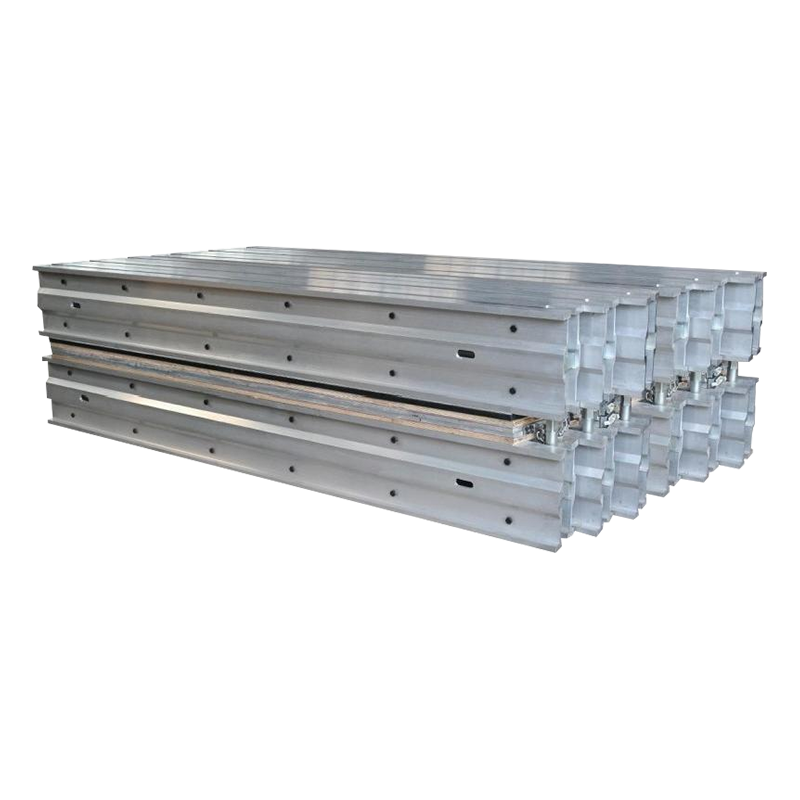

 خانه
خانه 86-18915223007
  +86-0510-86336668
 شماره 21، خیابان مرکزی هتانگ، شهر جیانگ ین، استان جیانگ سو
